Why Cross-Platform Mobile App Development Is the Future
Meta Description: Learn why cross-platform mobile app development is shaping the future of mobile apps, with benefits for startups, enterprises, and fast-growing businesses.
Introduction
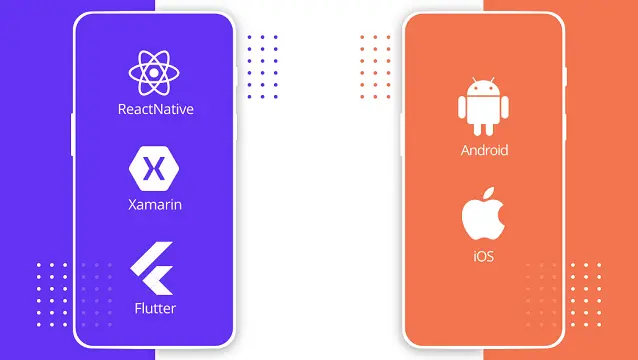
Cross-platform mobile app development has become a strategic choice for businesses looking to reach wider audiences without multiplying development costs. As mobile users span across Android and iOS ecosystems, companies need solutions that deliver consistent performance, design, and functionality. Cross-platform development addresses these needs by enabling faster releases, lower costs, and simplified maintenance while maintaining near-native performance.
What Makes Cross-Platform Development Future-Ready?
The future of mobile apps is driven by speed, scalability, and adaptability. Cross-platform development offers:
- Unified codebases for multiple platforms
- Faster feature rollouts and updates
- Reduced dependency on platform-specific teams
- Easier scalability as user demand grows
This approach aligns perfectly with modern agile and DevOps practices.
Key Frameworks Powering the Future
Flutter App Development
- High-performance rendering engine
- Single codebase with expressive UI
- Strong backing by Google
- Rapid prototyping and production readiness
React Native Development
- JavaScript-based ecosystem
- Reusable UI components
- Mature libraries and plugins
- Trusted by companies like Meta and Shopify
Xamarin App Development
- Strong integration with Microsoft tools
- Ideal for enterprise-grade applications
- Shared business logic across platforms
- Secure and scalable architecture
Business Use Cases
- Startups: Validate ideas quickly with minimal investment
- Enterprises: Build internal and customer-facing apps efficiently
- E-commerce: Deliver consistent shopping experiences
- On-demand services: Faster deployment across devices
Benefits for Businesses
- Reduced costs: One team, one codebase
- Faster time-to-market: Launch simultaneously on iOS and Android
- Consistent branding: Unified design language
- Simplified maintenance: Centralized updates and bug fixes
Challenges to Keep in Mind
- Platform-specific UI tweaks may be required
- Native feature access sometimes needs custom code
- Performance tuning is critical for complex animations
Best Practices
- Prioritize performance optimization
- Use platform-adaptive UI components
- Test extensively on real devices
- Select frameworks based on long-term goals
Tools and Ecosystem
- Development: VS Code, Android Studio
- Testing: Appium, Firebase Test Lab
- Deployment: CI/CD pipelines for automation
Conclusion & Subtle Service Mention
Cross-platform mobile app development is not just a trend—it is the future of scalable and efficient mobile solutions. Businesses adopting this approach gain speed, flexibility, and competitive advantage.
We also help organizations design and develop future-ready cross-platform mobile applications that scale with business growth.