Flutter Mobile App Development: Fast, Flexible, and Scalable Apps
Meta Description: Learn about Flutter mobile app development, its architecture, benefits, use cases, tools, and why businesses choose Flutter for cross-platform apps.
Introduction
Flutter mobile app development has emerged as a powerful solution for building high-performance applications for both iOS and Android using a single codebase. Backed by Google, Flutter enables businesses to create visually rich, fast, and scalable apps while significantly reducing development time and cost. Its growing ecosystem and native-like performance make it a popular choice for startups and enterprises alike.
What Is Flutter Mobile App Development?
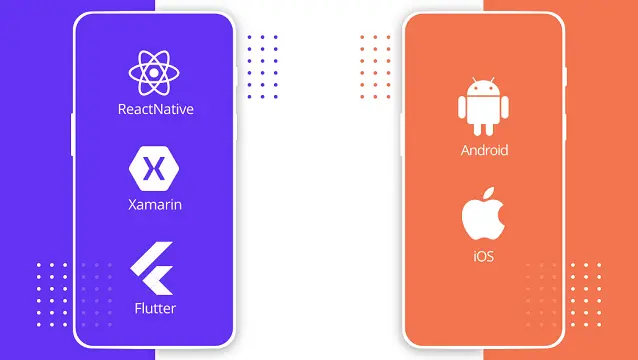
Flutter is an open-source UI framework that allows developers to build natively compiled mobile applications using the Dart programming language. It differs from other approaches in the following ways:
- Native apps: Separate codebases for iOS and Android
- Hybrid apps: Web-based apps inside native wrappers
- Flutter apps: Single codebase with near-native performance
Flutter uses its own rendering engine, which ensures consistent UI and behavior across platforms.
Core Features of Flutter
- Single codebase for iOS and Android
- High-performance rendering engine
- Customizable and expressive UI widgets
- Strong support for animations and transitions
These features help developers deliver polished apps faster.
Flutter App Development Components
Dart Programming Language
- Optimized for UI development
- Easy to learn and maintain
- Supports asynchronous programming
- Ensures fast execution
Flutter Widgets
- Everything in Flutter is a widget
- Highly customizable UI components
- Consistent design across devices
- Supports Material and Cupertino styles
Hot Reload
- Instantly reflects code changes
- Speeds up development and debugging
- Improves developer productivity
Practical Use Cases
- Startup apps: Rapid development and faster market entry
- MVP development: Validate ideas with minimal cost
- E-commerce apps: Smooth UI and responsive performance
- Business apps: Shared logic with consistent design
Advantages of Flutter Mobile App Development
- Faster development: Single codebase reduces effort
- Cost-effective: Lower development and maintenance costs
- Native-like performance: Compiled directly to machine code
- Rich UI: Custom designs without platform limitations
- Strong community: Growing ecosystem and plugins
Challenges and Considerations
- Dart is less common than JavaScript
- App size may be slightly larger
- Some native features require custom plugins
- Complex apps may need platform-specific code
Best Practices for Flutter Development
- Follow clean architecture patterns
- Optimize widget rebuilds for performance
- Use state management solutions wisely
- Test on real devices across platforms
Tools and Technologies
- IDE: VS Code, Android Studio
- Testing: Flutter Test, Integration Test
- State Management: Provider, Riverpod, Bloc
- CI/CD: Codemagic, GitHub Actions
These tools help streamline Flutter app development and deployment.
Future of Flutter Mobile App Development
- Growing adoption: Used by startups and enterprises
- Web & desktop support: One framework, multiple platforms
- AI-powered apps: Integration with ML and cloud services
- Improved performance: Continuous engine optimizations
Flutter continues to evolve as a unified framework for multi-platform development.
Conclusion & Subtle Service Mention
Flutter mobile app development offers an efficient and scalable way to build visually appealing and high-performance applications. Its single codebase approach helps businesses save time, reduce costs, and maintain consistent user experiences across platforms.
Our team also helps businesses design and develop scalable Flutter mobile apps tailored to their specific goals and growth needs.